New requirements for the psychosocial work environment: Why dialogue matters more than ever

Eirin Eriksen Horvei
October 14, 2026

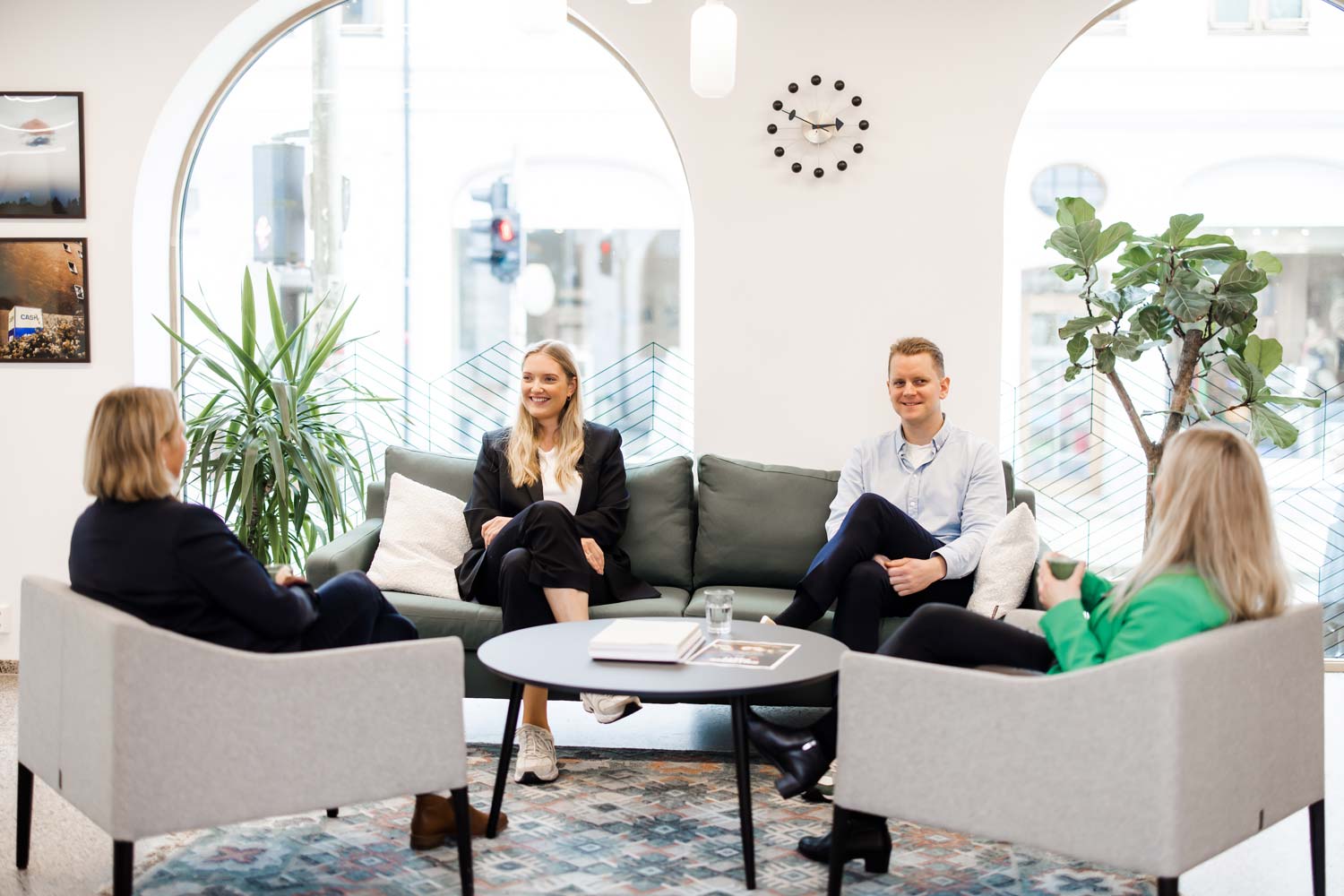
Our workplace is more than just a place where we spend most of our days. A good psychosocial working environment is crucial for employee well-being, productivity and the company's success. When we feel valued, respected and supported, we become engaged, creative and effective. We must not forget that this is a shared responsibility, not something that can be left to management alone. We need both employeeship and leadership that support the development of a good psychosocial working environment.
What does "psychosocial working environment" actually mean? It is a broad term that takes into account both the social and the interpersonal conditions in the workplace. It is about how we experience the organisation of work, interaction with colleagues, workload and opportunities for development, and not least the balance between demands and resources.
To create a good psychosocial working environment, it is important to have an open and inclusive culture. It is about listening to each other, respecting differences and being supportive of one another. A good working environment is characterised by trust and collaboration, where everyone feels valued and has the opportunity to contribute their own ideas and competence.
Another important factor is the opportunity for personal and professional development. Having access to competence development and opportunities for career growth can contribute to increased motivation and engagement.
A good psychosocial working environment is not only important for well-being, but also for productivity and efficiency in the workplace. When you feel valued and have a good working environment, you will be more motivated and engaged in your work.
A poor psychosocial working environment, on the other hand, can have negative consequences for both the individual employee and the organisation as a whole. It can lead to increased sickness absence, reduced productivity and poorer job performance. That is why it is important to facilitate a good working environment and deal with any challenges that arise.
Under the Norwegian Working Environment Act, everyone is entitled to a sound psychosocial working environment. This means that you must not be exposed to various negative conditions of a psychosocial nature, and that the sum of different strains must not become too great:
Section 4-3 Requirements for the psychosocial working environment:
Even though the Norwegian working environment ranks among the best in the world, the figures show that we have by no means reached our goals. More and more of us are suffering from work-related complaints. According to the National Institute of Occupational Health, 15 percent of all sick leave is due to psychosocial conditions in the workplace.
To create a good psychosocial working environment, we must understand which factors affect it.
Our working conditions play a crucial role in how we experience the working environment. This includes, among other things, working hours, the balance between work and private life, and opportunities for professional development. It is important that employers facilitate healthy working conditions that leave room for growth and well-being.
One example of how working conditions can affect the psychosocial working environment is flexible working hours. These can give employees the opportunity to adapt their working hours to their individual needs, for example to pick up children from nursery or attend important family events. This can contribute to a better work-life balance, thereby reducing stress levels and increasing well-being at work.
A manager who communicates clearly, shows respect and listens to their employees helps create a positive work culture. By being open to dialogue and feedback from employees, you can accommodate each person's needs in line with what the company wants to achieve. Be aware of the influence you have as a manager. If you are stressed and overworked, this can signal that you expect the same of your employees.
A good climate for collaboration and a supportive community are crucial for well-being and productivity. It is important that all employees are encouraged to show care and respect for each other, and that a safe and inclusive working environment is facilitated.
Activities such as shared lunches, social events or cross-disciplinary projects can help strengthen collaboration and trust between colleagues.
One way to improve the psychosocial working environment is to implement health-promoting measures. These can include adapting tasks, flexible working hours and access to support services that help employees deal with stress and strain.
Tasks should also be adapted to each person's competence and interests. This can give a greater sense of mastery and meaning in the working day, which in turn increases motivation and engagement. If employees have tasks that are too difficult or not relevant to their competence, the risk of stress and burnout increases.
Good communication is the key to a healthy working environment. By creating a psychologically safe working environment, employees feel supported, respected and valued, and they know they can learn from their mistakes without being judged. As a manager, you must create an arena where you and the employee can give and receive feedback. The employee appraisal and other planned conversations are good examples of such arenas.
A strong team is the foundation of a good psychosocial working environment. It is important to facilitate collaboration and positive support between colleagues. This can be done through team-building activities, joint meetings and recognition of good performance.
Even though we know how important a good psychosocial working environment is, it is also important to recognise and deal with the challenges that may arise along the way.
One of the most common challenges we may face when trying to create a good psychosocial working environment is resistance to change. Change can be frightening and challenging for many employees. Some may be reluctant to change old habits and routines, even if it is for their own good. It is therefore important to work with change management and involve employees in the process to minimise resistance and ensure a smooth transition.
It can be wise to start by informing and communicating clearly about why the changes are necessary, and what benefits they will bring for both the individual employee and the organisation as a whole. By involving employees in the decision-making process and giving them the opportunity to contribute input and ideas, we can create a sense of ownership and motivation to support the changes.
Another common challenge is a lack of resources. There may be limitations in terms of time, budget or expertise. It is important to identify and address these limitations to ensure that the measures needed to improve the psychosocial working environment are implemented.
This may involve seeking external support or resources, for example through collaboration with external experts or organisations that can contribute competence and guidance. It may also be necessary to reprioritise resources internally.
There is often a busyness in the workplace that can make it difficult to prioritise and implement measures to improve the psychosocial working environment. It is therefore important to set aside time and resources specifically for this task, so that a lasting improvement can be achieved.
This may involve setting aside time for training and competence development for managers and employees, so that they have the necessary knowledge and tools to handle and prevent psychosocial challenges. It can also be useful to establish regular meeting places or arenas where employees can discuss and give input on how things can be improved.
Overall, there are many factors that can affect the psychosocial working environment, and it is important to be aware of them in order to create a good and pleasant working environment. By working actively to manage and resolve any challenges that arise, you can facilitate a working environment that promotes well-being, health and productivity.