New requirements for the psychosocial work environment: Why dialogue matters more than ever

Eirin Eriksen Horvei
October 14, 2026

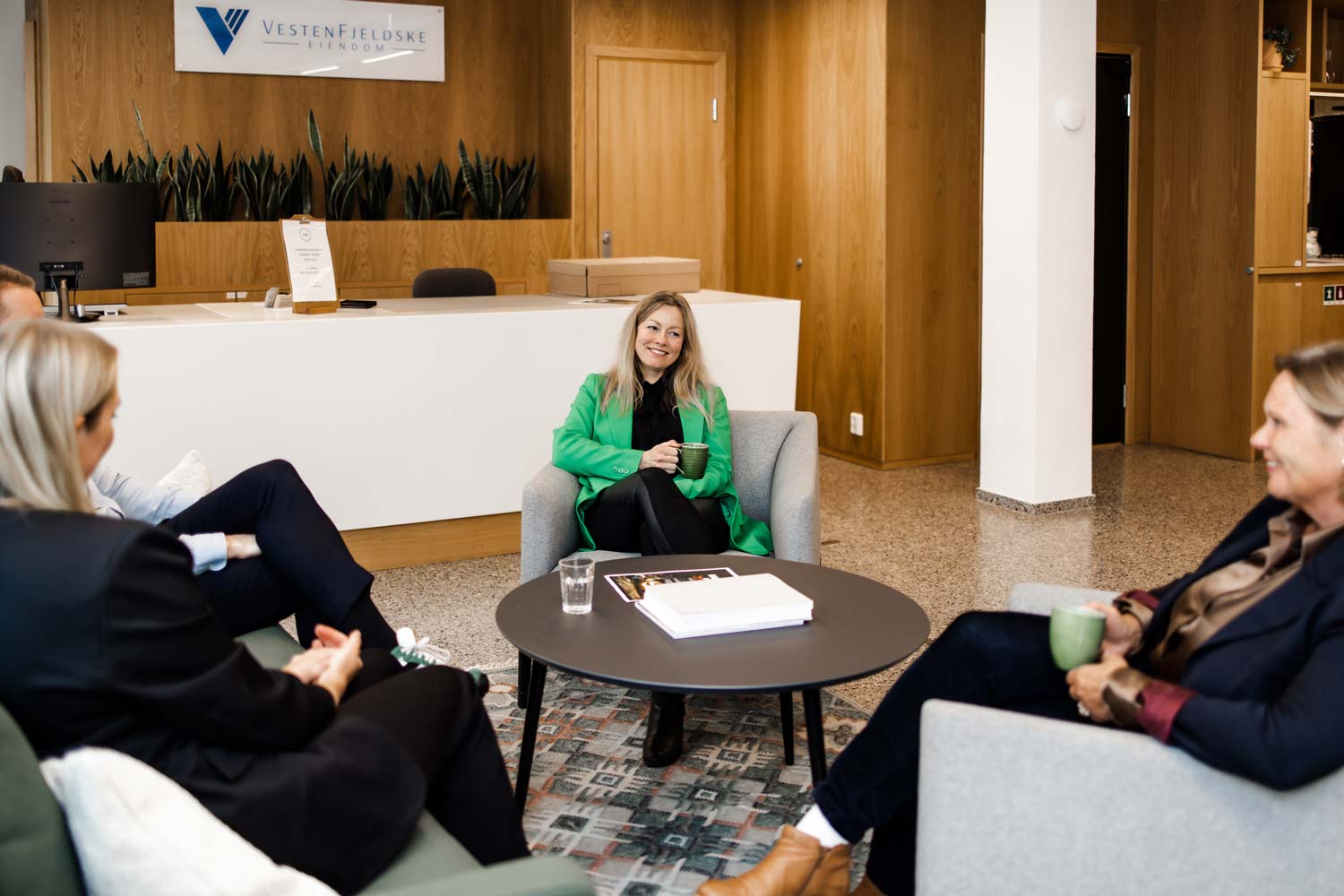
An organisation with a good working environment includes employees who feel valued, respected and supported in their roles. They will often have a greater sense of ownership, loyalty and motivation, which in turn leads to increased productivity.
The working environment has a direct impact on both employee well-being and the organisation's results. A good environment helps reduce sickness absence and turnover, increase productivity and promote creativity. Furthermore, a positive reputation as a good employer will attract talented candidates. As a leader, it is important to invest in a working environment that supports both employees and the organisation's long-term goals.
Open communication is a cornerstone of a good working environment. When employees feel safe sharing ideas and concerns, an environment is created where everyone can contribute to the company's development. As a leader, you should actively invite dialogue, be available for questions, and show that you listen to your employees. Planned dialogue, such as the employee appraisal, gives everyone an equal right to be seen, heard and recognised. Such a conversation is useful for uncovering what the employee needs to perform well, and how this fits in with what the company wants to achieve.
An inclusive culture is crucial for all employees to feel respected and valued. Let employees get to know each other well, so that there is an understanding of how others work and room is made for differences. Diverse teams are often the most successful, but this depends on good leadership, a good working environment and the goals the organisation wants to achieve. As a leader, you must lead by example and show empathy and compassion, build good relationships with your employees, and step out of your comfort zone to promote an inclusive culture. By recognising the diversity in the team, leaders can create an environment where different perspectives can come forward, which in turn leads to innovation and better problem-solving.
Modern workplaces require flexibility. By giving employees the opportunity to balance work and private life, whether through working from home or flexible working hours, you show as a leader that you respect their personal needs, which in turn strengthens their engagement and loyalty.
Employees' physical and mental health should be high on the agenda. When employees feel that their health is taken seriously, they will also be more motivated and productive. Use a survey that provides insight into psychosocial risks such as employees experiencing an excessive workload, conflicting demands, a lack of say, and ineffective communication. This includes factors such as organisational changes, job insecurity, a lack of support from management and colleagues, and psychological and sexual harassment. With good insight, you can make the right decisions and put measures in place to prevent and reduce psychosocial risks, involving both employees and leaders.
Professional development is an important part of a good working environment. By offering courses, conferences and mentoring programmes, and making room for self-developed competence – including reading articles and forums, watching YouTube videos and the like – you give employees the opportunity to develop and grow in their roles. It is important to offer different learning formats to suit individual needs. Some learn best by reading, while others learn best by watching or doing.
A link has also been shown between seniority and performance: the longer an employee has worked in the organisation, the better they perform. That is why it is important to let your employees develop, so that they don't get bored and look elsewhere. Then you get an employee who knows the company's culture, norms and values, while giving the employee new development opportunities and motivation, leading to greater loyalty and lower turnover.
Showing that you value your employees' efforts, whether through recognition or reward, is crucial for a good working environment. A thank you or recognition of achievements can make a big difference to employee motivation.
A safe workplace is fundamental for well-being and performance. This means clear guidelines for safety and conflict resolution. Management must show that the workplace is a safe place where everyone can perform at their best without fear of harassment or unfair treatment.
To create a sustainable working environment, there must be a balance between work and leisure. Encourage employees to take breaks and holidays, and to respect working hours. A healthy balance will help reduce stress and improve both well-being and productivity. It is important to communicate expectations and set clear boundaries. That way you can avoid misunderstandings, or someone taking advantage of the trust, leading to a sense of unfairness.
A well-functioning team creates a strong working environment. As a leader, you should promote collaboration through clear roles and open lines of communication, so that employees feel part of a community.
As a leader, it is important to show support and be available to your employees. Show interest in their work, give constructive feedback and be there when they need guidance. A supportive leader is a major motivating factor and helps employees experience the workplace as positive and developmental.
Building a good working environment is an ongoing process that requires commitment from leaders at all levels. By creating an environment where openness, support and flexibility are in focus, the organisation can reap great benefits in the form of both greater well-being and better results. With these 10 tips, you as a leader can take active steps towards creating a workplace where employees want to stay – and perform at their best.