Maksimer: – The employee appraisal has become an important part of how we work with development

Eirin Eriksen Horvei
May 25, 2026

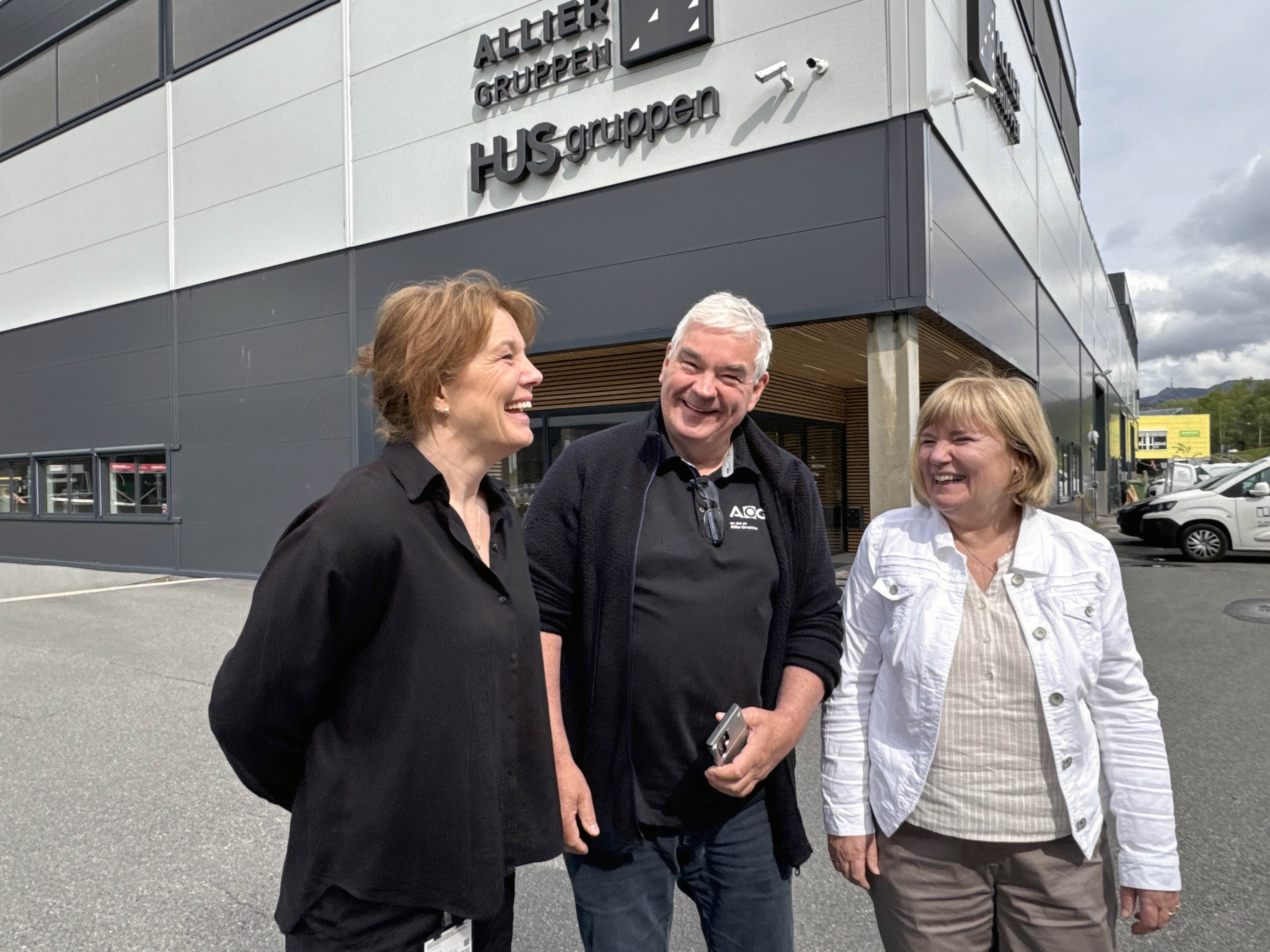
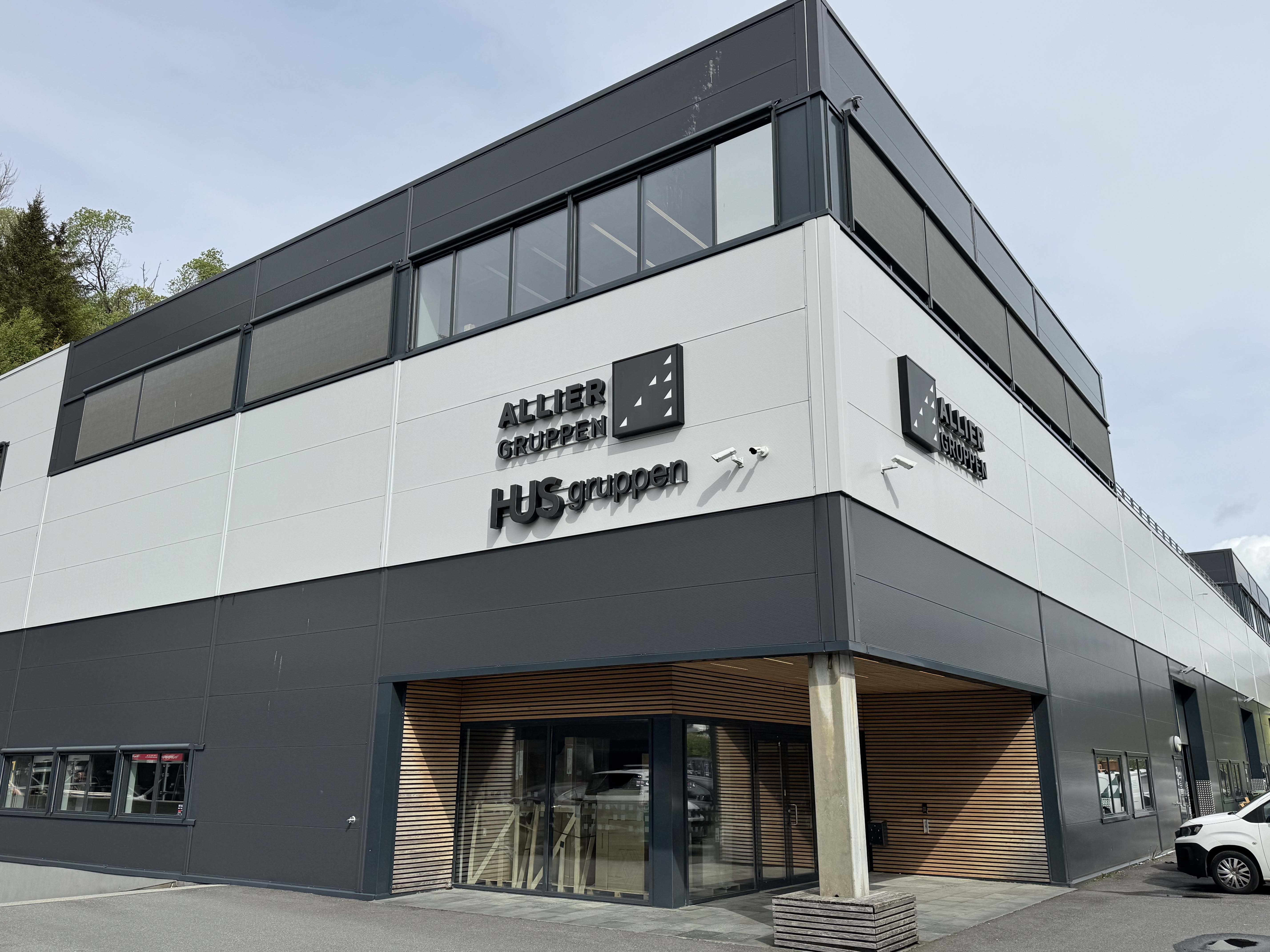
With 288 employees across 11 companies, Allier Gruppen needs good tools to create structure, good conversations and systematic follow-up. Using employee surveys, the Motivation Analysis™ as preparation for the employee conversation and action plans, the group uses Motivati to create good conversations, follow up employees and gain insight that helps develop the working environment further.
– We are very happy with the system, its user-friendliness and the follow-up we receive. Response times are very short when we need help, and we see that Motivati is constantly evolving, says Hege Stunner, HR Manager at Allier Gruppen.
The group consists of 11 different companies with anywhere from 2 to 102 employees. Since 2017, Motivati has been an important part of its work on employee development, the working environment and leadership support.
Before Motivati was introduced, employee conversations were done on paper.
– There was a lot of paper, and it was hard to find previous conversations. Now we have everything in one place digitally, and it is much easier to follow up over time, says HSE Manager Ingunn Wulf at Allier Gruppen.
Today, every company in the group uses Motivati to carry out and follow up employee conversations.
Allier Gruppen has also adapted the questions in Motivati to its own organisation. At the start, they spent time making sure the questions were relevant enough, especially regarding HSE and the psychosocial work environment.
– We had to work on both the questions and how they were phrased. Some of the questions had to be tailored to Allier Gruppen, says Wulf.
All leaders conduct the conversations using the same structure, and the results can be analysed at individual, company and group level.
– We really see the value of being able to extract aggregated results. It gives us a good picture of how the group is developing over time, and whether the measures we have put in place are working, says Trond Bertelsen, Administration Coordinator at Anders O. Grevstad and Motivati administrator at Allier Gruppen.
– We also produce company-specific reports that leaders use in their own companies. That way they can see where the shoe pinches, what is working well and what they should keep working on, explains Stunner.
At the core of the employee conversation is the Motivation Analysis™, which employees complete ahead of the conversation. The analysis shows which factors matter most to each employee, and where there may be a gap between importance and experience in their everyday work.
– The gap analysis makes it easier to understand what the employee needs to talk about. That makes the conversation more relevant and focused, says Stunner.
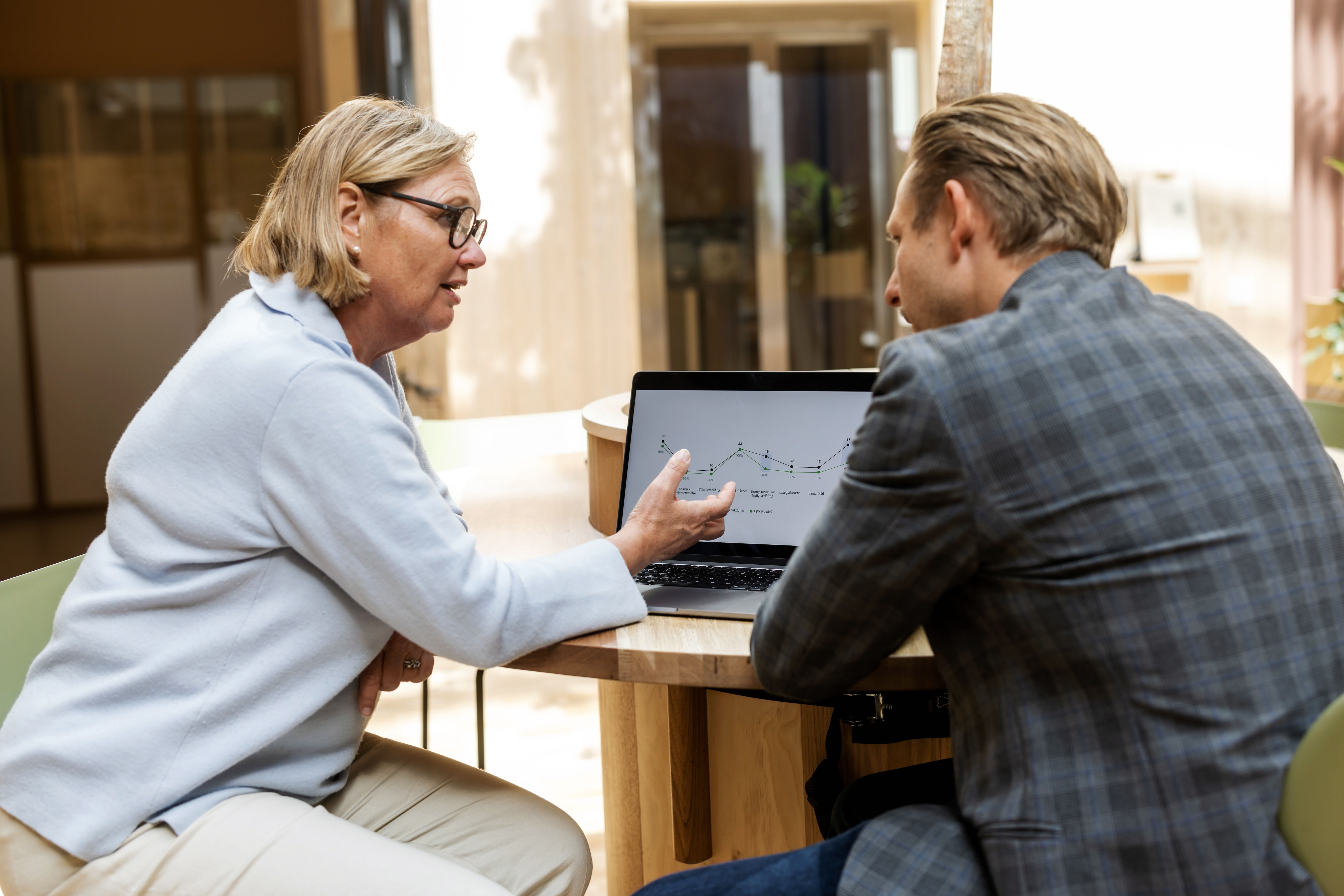
Instead of starting the employee conversation with general questions, the leader and employee get a concrete starting point for the dialogue.
– When we see a gap, we can use it as a starting point for a good conversation. We can ask what it is about, what lies behind it, and what could make everyday work better, says Stunner.
Wulf points out that the Motivation Analysis™ also makes employees more aware of their own work situation.
– You can go in and look at previous results and reflect on what you want to bring up in the conversation. That means both leader and employee come better prepared, says Wulf.
After the conversation, goals, measures and follow-up are documented in the action plan, so that both leader and employee can easily follow up on what they have agreed.
– The action plan makes it clear what we have agreed on, and makes it easier to keep track of the measures after the conversation has taken place, says Bertelsen.
An important benefit for the group is being able to use the results to work systematically on the working environment.
– The Motivation Analysis™ gives us valuable documentation and insight into the psychosocial work environment. We can see which areas we should work more on, and which things we do well and must keep doing, says Wulf.
The results are actively used in management teams, company meetings and the group's all-hands meetings.
– At group level, we can see whether we have improved since the previous round, whether the measures have had the desired effect, or whether there are new areas we need to keep working on. That makes the results very useful, says Bertelsen.
This insight is actively used when the group plans further measures.
– We present the most important findings to all employees. That gives us a good basis for prioritising what to work on next, says Stunner.
– It is not enough to just do risk assessments. We also need to be able to document that we are actually working on the working environment. That is where Motivati gives us a very good foundation, says Wulf.
The new clarifications in the Norwegian Working Environment Act set clearer requirements for businesses to work systematically on the psychosocial work environment. This means employers must be able to document how they map the working environment, follow up the results and put measures in place where needed.
According to Cecilie Lycke, CEO and founder of Motivati, this does not have to be complicated.
– Many businesses already have good routines and measures in place. The challenge is often knowing where the risk actually lies. When employees get the chance to say how they experience their everyday work, it becomes easier to identify areas for improvement and put the right measures in place, she says.
With Motivati, businesses can combine mapping the psychosocial work environment with employee conversations in one and the same process. The Motivation Analysis™ forms the basis for the individual dialogue between leader and employee, while anonymised and aggregated results can be extracted at department and organisation level. This gives the business a good basis for documenting, risk-assessing and following up the psychosocial work environment as part of its systematic HSE work.
– When the business gets an overall picture of how employees experience their everyday work, it becomes easier to prioritise the right measures. The mapping then becomes not just documentation, but a tool for continuous improvement of the working environment, says Cecilie.
In a group with many leaders, training and support are essential.
– New leaders often find employee conversations challenging. How do you ask good questions? How do you follow up on the answers? This is where we find both Motivati's leadership training and help pages very good, says Stunner.
The support questions linked to the Motivation Analysis™ are highlighted as particularly useful. In addition, Allier has received help to tailor the questions so they better fit the group's structure and everyday work.
– We have received a lot of extra help along the way, including setting up aggregated reports and adapting the solution to the way we work. That follow-up has been very valuable to us, says Bertelsen.
For Allier Gruppen, the greatest value is that employee conversations are no longer about routine and documentation, but about development.
– Our people are the most important resource we have. Without satisfied employees, it is hard to succeed as a company, says Stunner.
The group actively works according to the values "Generous, clear and creative", and employee conversations are an important arena for putting these values into practice.
– We see the value of the tool, and when we use it actively it gives a boost to both the leaders and the organisation, says Bertelsen.
– The most important thing is that we set aside time to talk about what matters. When employees get to reflect in advance through the Motivation Analysis™, topics often come up that would not otherwise have surfaced. That leads to better conversations, better follow-up and a better basis for developing both people and the organisation as a whole, concludes Stunner.
Allier Gruppen is a group of 11 companies in fields including construction, technical trades and contracting. The group has 266 employees and works actively on quality, sustainability, HSE and employee development. Through shared HR and HSE functions, both small and large companies get access to expertise, systems and tools that support professional operations and continuous improvement.